
Market update ·
Rising port costs strengthen the case for onshore PCB processing
Proposed 2027 increases in Melbourne terminal and ancillary charges add to the case for mechanically upgrading PCB-rich material onshore before sending concentrated outputs to downstream metal-recovery facilities.
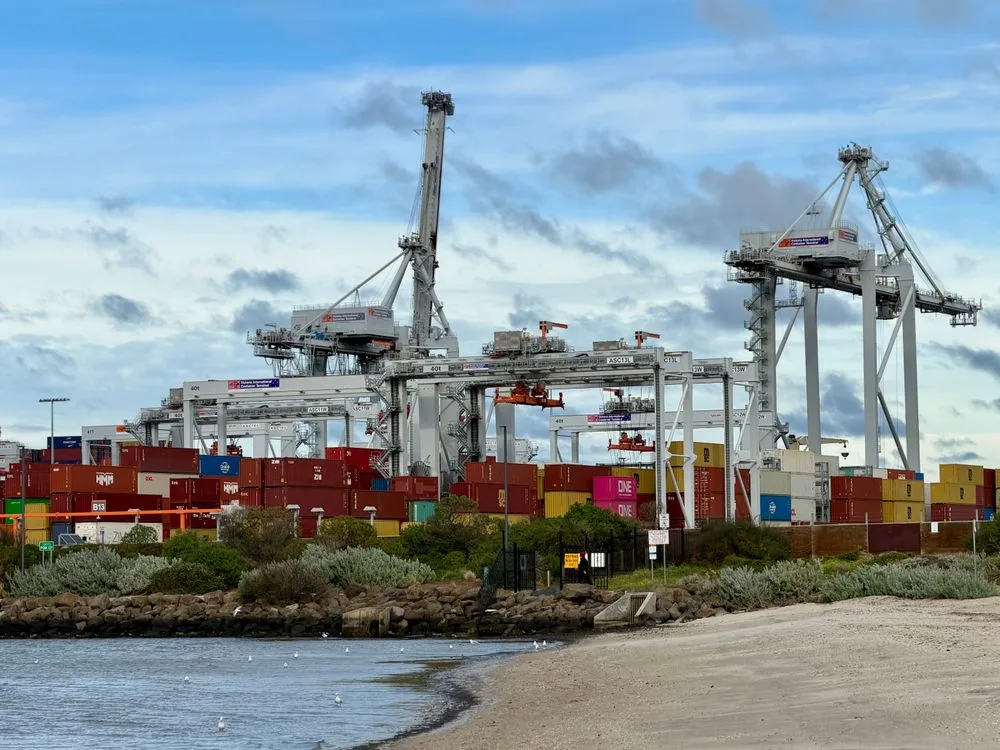
Australian exporters are preparing for another increase in the cost of moving containerised material through the country’s ports.
Proposed terminal pricing for 2027 includes substantial increases at several Melbourne facilities:
- Patrick’s East Swanson Dock terminal access charges are proposed to increase by 15%.
- DP World export charges are expected to rise by approximately 4.5% to 6.5%.
- Victoria International Container Terminal’s infrastructure surcharge is proposed to increase by 12%.
- Some DP World storage and ancillary charges are proposed to increase by as much as 19.4%.
The new charges are expected to take effect from 1 January 2027, although final notices are not due until early December and individual charges may still change.
These are not increases to the complete ocean-freight price. They are landside, terminal, infrastructure, storage and related charges that can be passed through by transport operators, freight forwarders and shipping providers.
However, for businesses exporting e-waste, printed circuit boards and other secondary raw materials, these increases add to an already complex cost base.
The hidden cost of exporting low-value material
A tonne of electronic material does not contain a tonne of valuable metals.
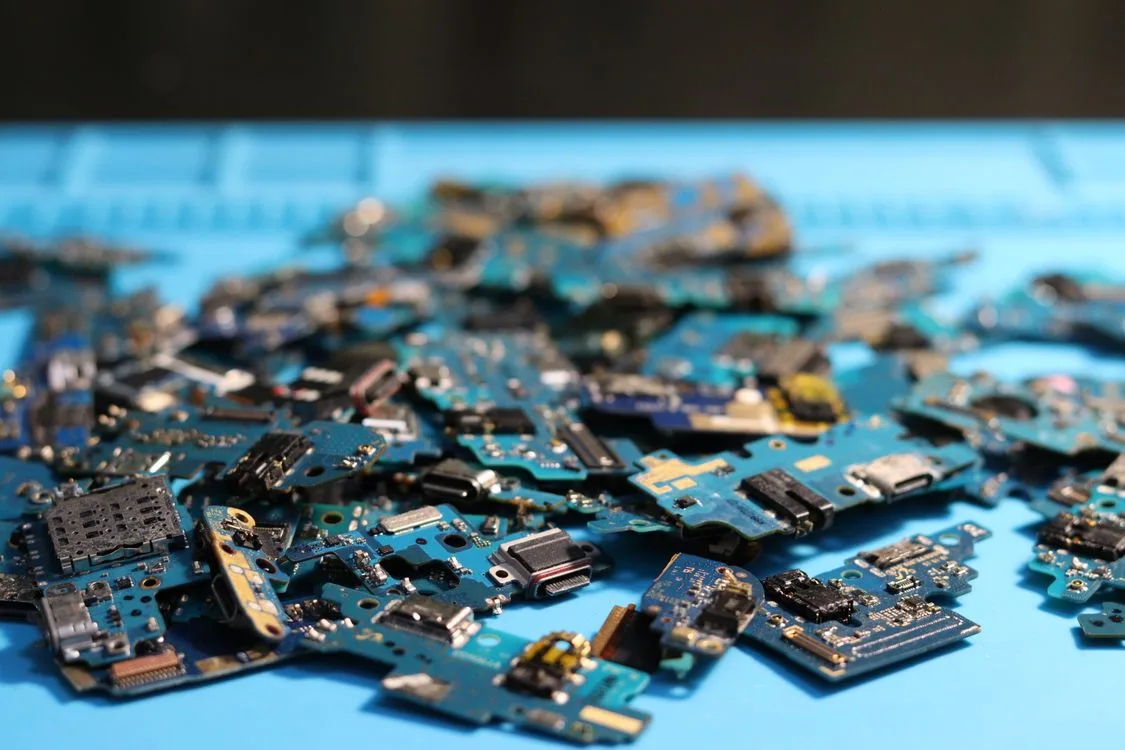
Printed circuit boards may contain copper, gold, silver, palladium and other valuable metals, but they also contain glass fibre, resins, ceramics, steel, aluminium and other lower-value fractions.
When whole boards or lightly processed electronic material are exported, the exporter can effectively pay international freight, terminal charges and handling costs to transport both the valuable metals and the unwanted material surrounding them.
There may also be costs associated with:
- specialist waste or dangerous-goods handling;
- permits and shipment documentation;
- container storage and demurrage;
- port delays and transshipment;
- sampling and overseas processing;
- delayed assay and settlement; and
- returning or disposing of non-recoverable residues.
As terminal and logistics charges rise, the economics of exporting unprocessed or poorly concentrated material become increasingly difficult to justify.
Onshore processing changes the freight equation
Onshore PCB processing does not remove every international dependency. Australia still has limited capacity for final precious-metal refining, and concentrated metal-bearing material may still need to move to an appropriate downstream refinery.
What onshore processing can do is change what gets exported.
Mechanical upgrading and separation can remove lower-value fractions and produce a more concentrated metal-bearing output. Instead of paying to export every kilogram received, the exporter can focus freight and downstream-processing costs on material with a higher recoverable value per tonne.
This approach can potentially deliver:
- fewer tonnes requiring international shipment;
- higher contained-metal value per exported tonne;
- better separation and characterisation of material;
- improved transparency over recovered and residual fractions;
- stronger documentation and chain of custody; and
- greater economic value retained through Australian processing.
The result should be assessed on the complete commercial equation—not simply the headline buying price offered for whole PCBs.
Businesses should compare the net outcome after domestic transport, processing, export freight, terminal charges, treatment deductions, metal payabilities, foreign exchange and settlement timing.
Export costs are also becoming more predictable—but not necessarily lower
Australia’s transport ministers have approved updated National Voluntary Guidelines for Landside Stevedore and Empty Container Park Charges.
From 1 January 2027, participating operators are expected to change charges only once annually, provide advance notice and explain the cost drivers behind increases.
Greater transparency is welcome, but it does not remove the underlying cost increases. Businesses exporting PCB-rich material should request updated all-in logistics forecasts for 2027 rather than relying on historical freight rates.
There has never been a better time to evaluate onshore pathways for processing PCBs
For Australian recyclers, IT asset-disposition providers, aggregators and businesses generating PCB-rich material, rising export costs strengthen the case for reviewing the current downstream model.
The appropriate question is no longer simply:
“What price can we receive per kilogram for these boards?”
It is:
“How much net value can we retain after upgrading, freight, processing, assay, recovery and settlement?”
ReCircuit provides an Australian pathway for grading and mechanically upgrading PCB-rich material before it moves to an appropriate downstream metals-recovery process.
As international transport and terminal costs rise, there has never been a better time to evaluate whether more processing can be completed onshore—and whether Australia can retain more of the commercial and environmental value contained in its electronic resources.
Information sources
- Magellan Logistics — Freight Market Update, November 2026
https://www.magellanlogistics.com.au/freight-market-update-november-2026/ - National Transport Commission — National Voluntary Guidelines for Landside Stevedore and Empty Container Park Charges
https://www.ntc.gov.au/codes-and-guidelines/national-voluntary-guidelines-landside-stevedore-and-empty-container-park-charges - ReCircuit — PCB recovery and upgrading
https://www.recircuit.net.au/about
The announced charges are proposed 2027 prices and may change when terminal operators issue their final notices. The commercial effect will depend on the terminal, transport provider, shipment terms, container type and applicable ancillary charges.